
12 Home Safety Changes That Prevent Falls
If you’re caring for an aging parent, falls are probably one of your biggest quiet fears, and for good reason. More than one in four adults age 65 and older falls each year, but fewer than half tell their doctor about it (CDC). Falls are the leading cause of both fatal and non-fatal injuries among older adults, leading to about 4.5 million emergency room visits and about 1.4 million hospital stays every year in the U.S.
Free printable: download our Home Safety Checklist for Aging Parents (PDF) and walk through the house room by room. It takes about 20 minutes.
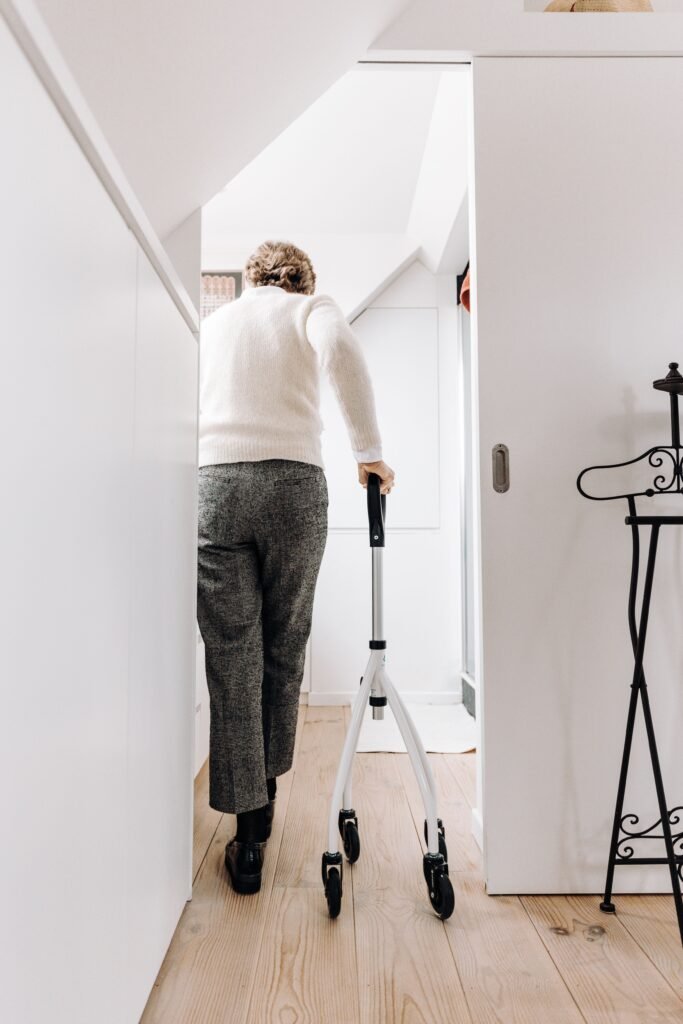
More than one in four adults age 65 and older falls each year, but fewer than half tell their doctor about it.
The good news: most falls happen at home, and most home fall hazards are fixable in a weekend, often for less than $100 total. Here’s where to start, roughly in order of impact.
Start with the highest-risk rooms
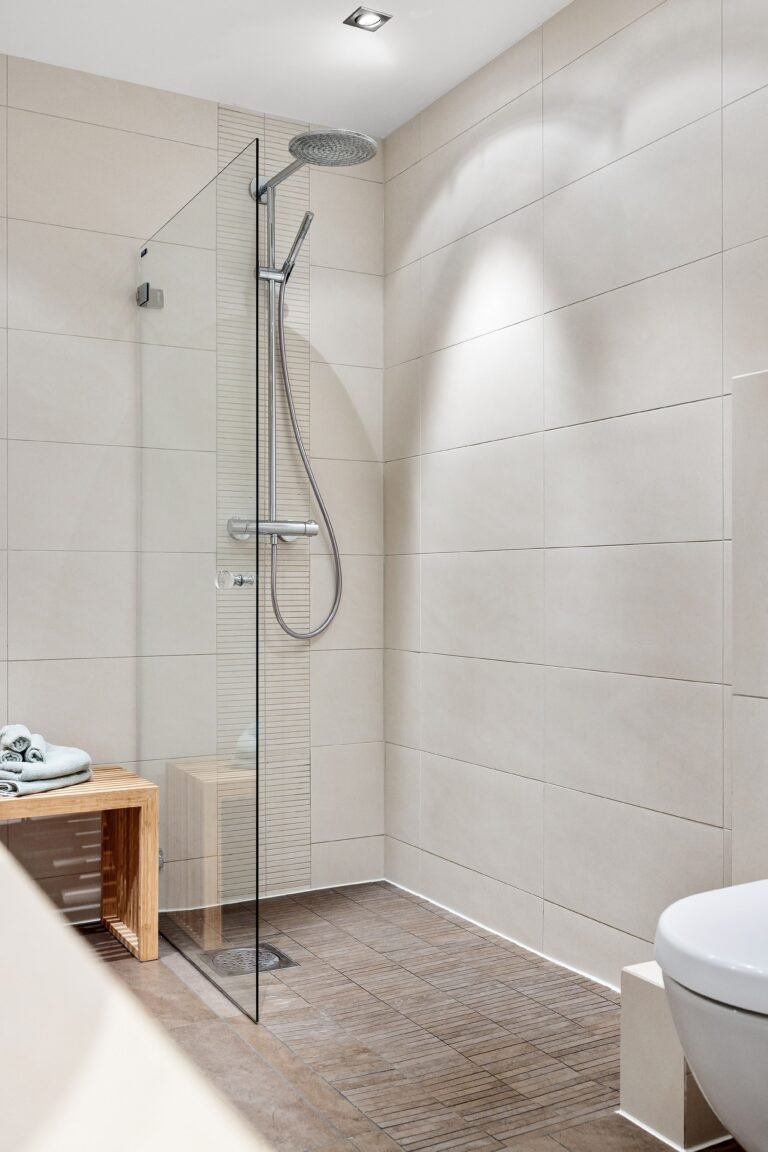
1. Clear the bathroom floor and add grab bars. Bathrooms are where falls most often turn serious, because hard tile meets a wet floor. Install grab bars near the toilet and inside the shower or tub: look for ones rated to at least 250 lbs and screwed into wall studs, not suction-mounted. A raised toilet seat and a shower chair reduce the number of risky up-and-down and standing movements per day.
2. Add non-slip mats: the right kind. A rubber-backed mat with a firmly gripping underside, not a decorative rug that slides. Skip anything with curling edges.
3. Improve bathroom lighting, including a nightlight that turns on automatically after dark, so a 3 a.m. trip to the bathroom doesn’t happen in the dark.
Fix the paths people actually walk
4. Remove loose rugs and runners, or secure them with double-sided carpet tape. Loose rugs are one of the single most common causes of in-home falls.
5. Tape or tuck away cords from lamps, phone chargers, and medical equipment so they don’t cross walkways.
6. Widen walking paths by moving furniture that narrows hallways or sits in the natural walking line between rooms.
7. Add stair rails on both sides, not just one, if your parent’s home has stairs, and make sure every step is lit, with a switch at both the top and bottom.
Make daily habits safer
8. Move frequently used items to waist height. Reaching up to a high shelf or bending to a low cabinet are two of the more common moments a fall happens. Keep daily-use dishes, medications, and clothing between hip and shoulder height.
9. Get the right footwear. Slippers with no back strap and socks on hard floors are common contributors to slips. Supportive shoes with non-slip soles, worn even indoors, measurably reduce fall risk.
10. Review medications with a pharmacist or doctor. Some medications, and especially combinations of them, cause dizziness or low blood pressure on standing. This is worth a specific conversation at the next appointment: ask directly: “Could any of these increase fall risk?”
Add a safety net for when prevention isn’t enough
11. Consider a medical alert device. Even with every hazard removed, falls can still happen. A wearable alert button (worn as a pendant or wristband) means help can be called even if your parent can’t reach a phone. Many modern devices include automatic fall detection.
12. Get a vision and hearing check. Uncorrected vision changes are an underrated fall risk: many older adults are wearing an outdated prescription for years without realizing how much it affects depth perception on stairs and curbs.
A realistic way to start
You don’t need to do all twelve in one visit. Pick the three that apply most urgently to your parent’s actual home (usually the bathroom grab bars, loose rugs, and lighting) and treat the rest as an ongoing project over the next month. Small, steady changes are what actually prevent falls; a single overwhelming weekend of changes your parent didn’t ask for tends to create resistance instead.
Sources: CDC: Facts About Falls; CDC: Older Adult Falls Data, CDC: Older Adult Falls Facts





2 Comments