
Why Your Aging Parent Isn’t Sleeping Well, and What Helps
Poor sleep gets dismissed pretty easily as just a normal, minor part of aging: something to shrug off rather than address. That’s worth reconsidering. According to the National Institute on Aging, sleep does change naturally with age, but poor sleep itself isn’t something your parent just has to accept, and the health consequences of ongoing sleep problems are significant enough to take seriously.
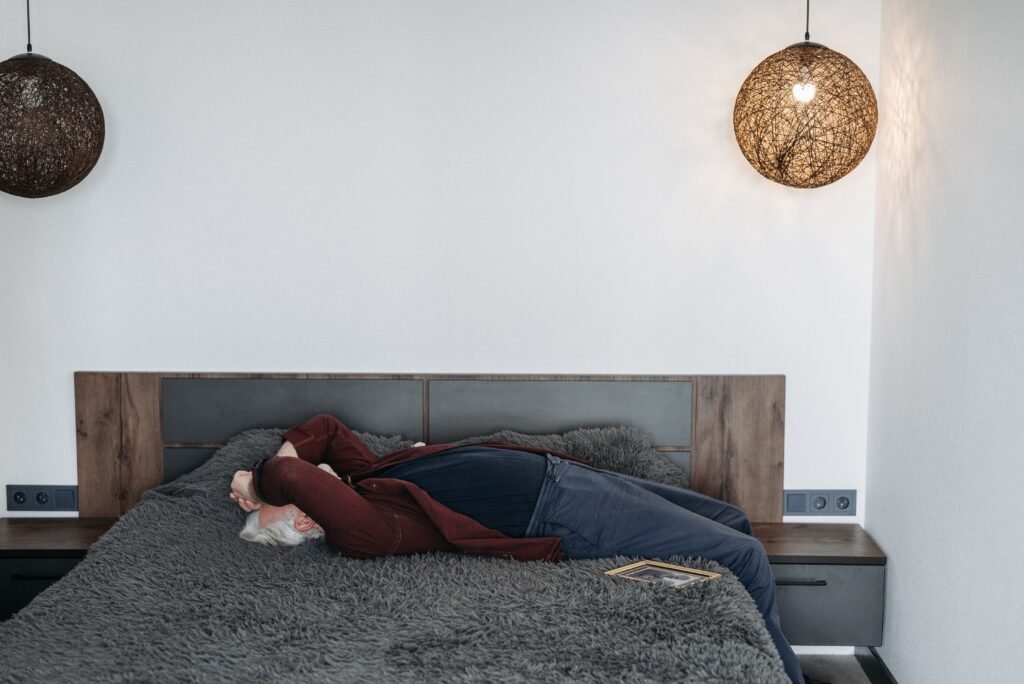
The NIA links inadequate sleep to increased risk of high blood pressure, heart disease, and diabetes: plus a meaningfully higher risk of falls.
Why sleep changes as people age
Sleep architecture genuinely shifts with age: older adults tend to get shorter, lighter sleep, with more frequent awakenings during the night compared to younger adults. This is a normal physiological change, not necessarily a problem on its own. What tends to turn normal age-related changes into an actual sleep problem is everything layered on top: older adults are more susceptible to medical conditions and medications that disrupt sleep quality, which is often the real driver behind noticeably worse sleep rather than aging itself.
What’s actually causing the sleep trouble
The NIA points to several common, specific contributors worth ruling out rather than assuming poor sleep is just unavoidable: underlying medical conditions and general illness, medications with side effects that interfere with sleep (worth reviewing with a doctor, similar to the medication review approach covered in our guide on managing multiple medications), mental health challenges like anxiety or depression, chronic pain that makes it hard to get comfortable or stay asleep, and specific diagnosable sleep disorders including insomnia, sleep apnea, and restless legs syndrome. Each of these has a different appropriate response, which is exactly why persistent sleep problems are worth bringing to a doctor rather than just trying home remedies indefinitely.
Why this is worth addressing, not just tolerating
Ongoing poor sleep isn’t just about feeling tired the next day. The NIA links inadequate sleep to increased risk of high blood pressure, heart disease, and diabetes: the same categories of chronic conditions that already tend to be a major focus of care for aging parents. Beyond the physical risks, poor sleep contributes to memory problems (worth keeping in mind if you’re also noticing changes covered in our guide on early signs of dementia, since sleep deprivation can mimic or worsen apparent memory issues), emotional difficulties, increased relationship friction, and (notably for anyone thinking about fall prevention) a meaningfully higher risk of falls, since poor sleep affects balance, reaction time, and alertness the same way it would for anyone.
Practical steps that actually help
Keep a consistent sleep and wake schedule, including on weekends. Going to bed and waking up at roughly the same time every day helps regulate the body’s internal clock more than most people expect, and it’s one of the simplest, most effective interventions available without any medication or equipment involved.
Build a relaxing wind-down routine before bed. A consistent set of calming activities (reading, gentle stretching, a warm bath) signals to the body that sleep is coming, and doing the same routine nightly reinforces that signal over time.
Get the bedroom environment right. A cool, dark, quiet room genuinely makes a measurable difference. If your parent’s bedroom runs warm, gets streetlight through the windows, or has noise from elsewhere in the house, addressing those specific physical factors can meaningfully improve sleep quality without any other change.
Stay physically active during the day, just not right before bed. Regular exercise supports better sleep, but exercising too close to bedtime can have the opposite effect by making it harder to wind down: earlier in the day works better for most people.
Limit afternoon naps, caffeine, and alcohol, particularly later in the day. A long or late afternoon nap can make it much harder to fall asleep at night, caffeine’s effects last longer than people often realize, and alcohol (despite feeling like it helps someone fall asleep) actually disrupts sleep quality later in the night.
Put screens away before bed. The light from phones, tablets, and TVs can interfere with the body’s natural sleep signals, and scrolling through anything stimulating or stressful right before trying to sleep doesn’t help either.
Keep the pre-bed meal light. A heavy meal too close to bedtime can cause discomfort that interferes with falling asleep, though going to bed genuinely hungry isn’t ideal either: a light snack if needed is usually the better balance.
When to involve a doctor
If sleep problems persist despite consistent effort with the basics above, or if there are signs of a specific sleep disorder: loud snoring with pauses in breathing (a sign of possible sleep apnea), an uncomfortable urge to move the legs at night (possible restless legs syndrome), or sleep that never feels restorative no matter how many hours are spent in bed: it’s worth bringing to a doctor directly rather than continuing to adjust habits alone. Several sleep disorders are genuinely treatable once properly diagnosed, and persistent poor sleep is common enough among older adults that doctors are used to addressing it as a real, worthwhile medical concern rather than something to just live with.
Sources and further reading
- Sleep and Older Adults (National Institute on Aging)
- Taking Medicines Safely as You Age (National Institute on Aging)






2 Comments