
How to Help an Aging Parent Who’s Becoming Isolated and Lonely
About 28% of Americans 65 and older who live in the community live alone, according to the federal Administration for Community Living. Living alone doesn’t automatically mean someone is lonely or isolated, but for a lot of families, it’s the backdrop against which isolation quietly develops, especially after a spouse passes away, driving stops, or friends move away or pass on themselves. This is worth taking seriously beyond just the emotional toll, because the physical health consequences of chronic loneliness are more significant than most people expect.
One NIA researcher describes loneliness as functioning almost like ‘a fertilizer for other diseases.
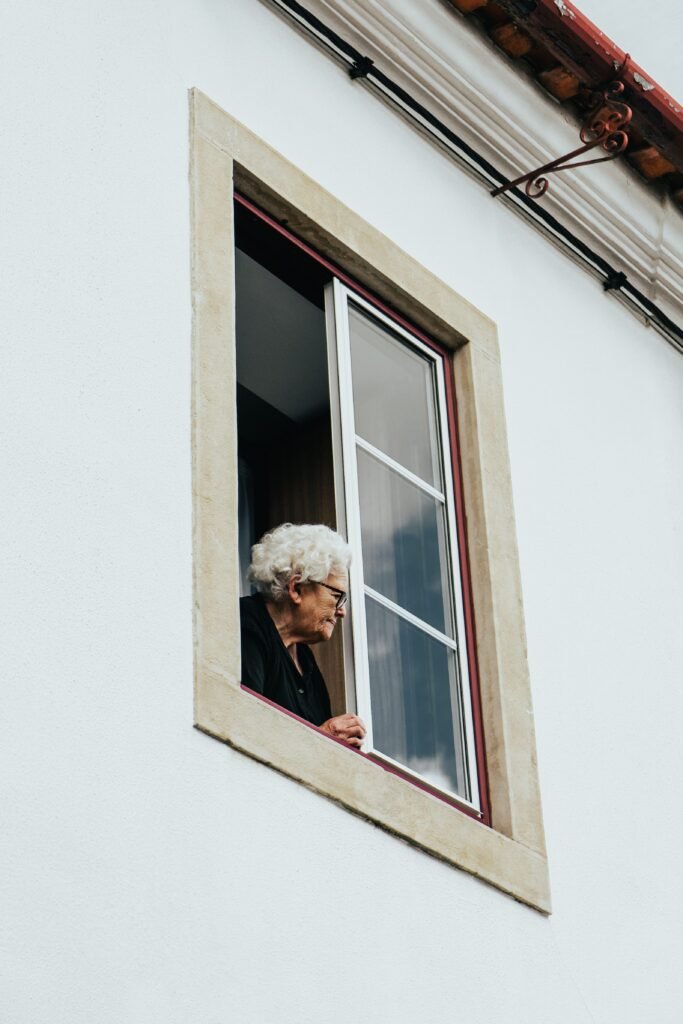
Why this matters more than it might seem
Research has linked social isolation and loneliness in older adults to a genuinely long list of health risks: high blood pressure, heart disease, obesity, a weakened immune system, anxiety, depression, and even cognitive decline and Alzheimer’s disease. One NIA researcher describes loneliness as functioning almost like “a fertilizer for other diseases”: potentially accelerating plaque buildup in arteries, promoting inflammation linked to cognitive decline, and generally undermining the body’s ability to manage other health conditions well. This isn’t a minor quality-of-life issue; it’s a legitimate health risk factor on par with more commonly discussed ones.
Who’s most at risk
Certain life transitions and circumstances substantially raise the risk of isolation: the death of a spouse or partner, living far from friends and family, the transition into retirement (which removes a major source of daily social contact for many people), reduced mobility, lack of reliable transportation, and cognitive impairment, particularly for someone living alone. Losing the ability to drive is a specific and often underestimated trigger: it can quietly cut off access to social activities, errands, and appointments all at once, well beyond just the loss of independence it represents on its own (our guide on talking to a parent about driving covers this transition directly).
Practical ways to help build real connection
Establish a predictable daily or near-daily point of contact. The NIA specifically recommends scheduling regular contact (in person, by phone, video call, text, or even a smart speaker for a quick check-in) rather than leaving it to happen spontaneously. A predictable call at the same time each day gives your parent something to look forward to and a natural touchpoint if something’s wrong, without either of you having to remember to reach out.
Help them pursue an activity or hobby that puts them around other people regularly. A class at a community center, a walking group, a faith-based community, or a hobby group built around something they already enjoy does double duty: it provides both the social contact and a sense of purpose, which the NIA specifically notes is linked to better health outcomes on its own, separate from the social benefit.
Consider volunteering. This might sound counterintuitive for someone who’s becoming isolated, but volunteering gives a genuine sense of mission and structure to the week, along with built-in social contact: many organizations specifically welcome older volunteers and can be a meaningful source of connection for someone who’s lost their previous sense of routine and purpose after retirement.
Address the technology gap directly, if it exists. A parent who isn’t comfortable with video calls, texting, or social media is cut off from an entire layer of modern connection that younger family members take for granted. Many public libraries offer free technology classes specifically for older adults: worth looking into if your parent would benefit but feels intimidated learning alone or from family (patience sometimes runs thinner within families than with a neutral instructor).
A pet can genuinely help. For a parent who’s able to care for one, pet adoption provides real companionship and has documented stress-reduction benefits: worth considering carefully based on their physical capacity to handle a pet’s needs, but not something to dismiss as a minor gesture.
Encourage introducing themselves to neighbors, if they haven’t already. Proximity is one of the most underused resources for isolated older adults: a neighbor who knows to check in occasionally, or who your parent feels comfortable reaching out to for a small favor, adds a layer of everyday connection and safety that distant family can’t fully replace.
Structural barriers worth knowing about
Isolation isn’t always just about motivation or effort: researchers point to real structural barriers that disproportionately affect certain older adults: fear of crime in some neighborhoods that discourages leaving home, limited access to affordable transportation or services, the loss of driving privileges without a real alternative in areas with poor public transit, and social stigma some people feel after a cognitive impairment diagnosis, which can lead them to withdraw rather than seek out the connection that would actually help. If your parent’s isolation seems tied to one of these structural issues rather than simple preference, addressing the underlying barrier (arranging transportation, researching accessible community programs) tends to be more effective than general encouragement to “get out more.”
A resource worth knowing about
The Eldercare Locator (1-800-677-1116) is a free, government-funded service that connects older adults and their families to trustworthy local resources, including state and area agencies on aging, transportation programs, and community organizations: a good starting point if you’re not sure what’s actually available in your parent’s specific area.
Keep an eye on your own risk too
If you’re the primary long-distance or in-person caregiver, it’s worth noticing whether your own social world has narrowed as caregiving has taken up more of your time and energy: caregiver isolation is a real and common pattern in its own right, and the same principles about maintaining connection apply to you as much as to your parent.
Sources: National Institute on Aging: Social Isolation and Loneliness Health Risks, National Institute on Aging: Tips for Staying Connected, ACL: 2023 Profile of Older Americans




2 Comments