
What Medicare Covers for Home Care (And the Gaps That Surprise Families)
One of the most common and costly misunderstandings in caregiving is assuming Medicare’s home health care benefits work like general in-home help, something you can request once a parent needs help around the house. It doesn’t. Medicare’s home health benefit is real and valuable, but it’s narrower and more specific than most families expect, and knowing the actual rules upfront saves a lot of frustration (and unexpected bills) down the road.
Quick answer: Medicare’s home health care benefits cover part-time skilled nursing, physical, speech and occupational therapy, and some home health aide help, but only when your parent is homebound and a doctor certifies the need. They typically do not cover 24-hour care, delivered meals, housekeeping, or help with daily activities when that is the only care needed.
Medicare’s home health benefit explicitly does not cover 24-hour in-home care of any kind.
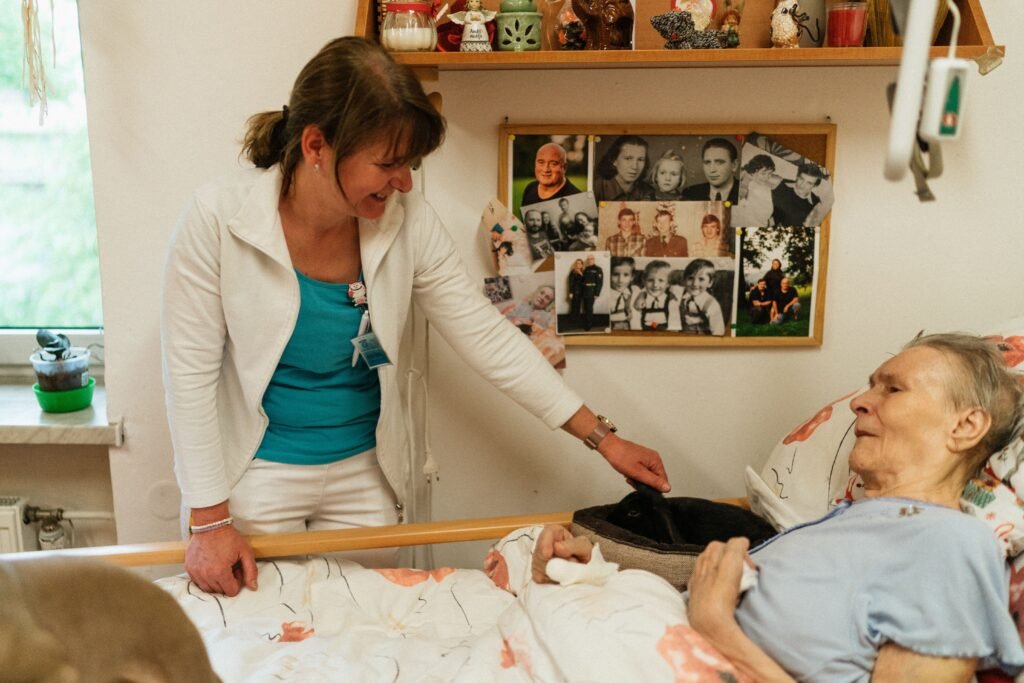
What Medicare’s home health benefit actually covers
When your parent qualifies (more on that below), Medicare Part A and Part B cover a specific set of services delivered at home: skilled nursing care that’s medically necessary, physical therapy, speech therapy, and occupational therapy, home health aide assistance with bathing, grooming, feeding, and changing bed linens, medical social services, durable medical equipment (Medicare typically covers 80% of the approved amount, with the remaining 20% your responsibility), and medical supplies used as part of home care. Through the end of 2027, Medicare also covers many telehealth services delivered anywhere in the U.S., including from home, per the National Council on Aging (NCOA).
Under Original Medicare, if your parent qualifies, covered home health services cost nothing; you only pay 20% of the Medicare-approved amount for any medical equipment, after the Part B deductible. Medicare Advantage plans must cover the same services, but their cost-sharing rules can differ, so check the plan’s details.
What home health care benefits typically don’t cover
This is where the confusion usually happens. Medicare’s home health benefit explicitly does not cover 24-hour in-home care of any kind, delivered meals, general household assistance like shopping or cleaning, or help with activities of daily living (bathing, dressing, using the bathroom) if that’s the only type of care needed, since the aide benefit exists to support skilled care rather than to stand in as a custodial care service on its own. If your parent just needs a companion or help with daily tasks but has no skilled nursing or therapy need driving the care plan, Medicare’s home health benefit won’t apply, full stop.
This is the single biggest source of frustration NCOA highlights: many families assume this benefit functions like a general long-term care program. It doesn’t. It’s built specifically around short-term, medically necessary, skilled care rather than the ongoing custodial support many aging parents eventually need.
The eligibility requirements, in plain terms
To qualify for Medicare’s home health benefit, several conditions all need to be true at once:
Your parent must be homebound. This doesn’t mean literally unable to ever leave the house. It means leaving requires considerable and taxing effort, typically needing help from another person or a mobility device like a walker, wheelchair, or cane. A parent who can still get to occasional appointments with real difficulty and assistance can still qualify as homebound; someone who drives themselves to the grocery store weekly without much trouble generally would not.
The care needed must be skilled and part-time or intermittent. This means nursing care, therapy, or similar skilled services aimed at improving or maintaining a specific health condition, rather than full-time, ongoing skilled nursing or general assistance unconnected to a medical need.
A doctor (or qualified provider) must authorize the care. A physician, nurse practitioner, clinical nurse specialist, or physician’s assistant needs to have seen your parent within three months before home health care starts, or within one month after it begins, and must certify the need for it.
The care must come through a Medicare-approved home health agency, not just any home care company, so it’s worth confirming Medicare approval status before assuming a service will be covered.
Two myths worth clearing up directly
Myth: “Homebound” means never leaving the house. In reality, it means leaving is difficult enough that it requires real effort and usually assistance, not total confinement. A parent who attends church occasionally with help, or goes to medical appointments with significant difficulty, can still meet this definition.
Myth: Medicare will eventually cover long-term custodial care at home if my parent’s needs increase. This benefit is specifically for medically necessary, skilled, part-time care. It isn’t a bridge toward ongoing custodial support as needs grow. If your parent’s needs shift primarily toward help with daily living activities rather than skilled medical care, Medicare’s home health benefit won’t expand to cover that; a different funding source (private pay, long-term care insurance, or Medicaid for those who qualify) becomes necessary for that kind of ongoing support.
One protection worth knowing about
If a home health agency believes a specific service won’t be covered by Medicare, it’s required to give you written notice, called an Advance Beneficiary Notice of Noncoverage (ABN), before providing that service. If you receive one of these, it’s worth reading carefully and asking questions before agreeing to proceed, since it means you may be personally responsible for the cost.
The practical takeaway
Before assuming Medicare will pay for in-home help, get specific: is the need primarily skilled and medical (physical therapy after a hospital stay, wound care, a nursing need), or is it primarily custodial (help with dressing, bathing, meals, companionship)? The former has a real path through Medicare, with genuine eligibility requirements worth understanding upfront. The latter almost always requires a different funding approach: worth discussing early with a hospital social worker, your parent’s doctor, or an Area Agency on Aging, rather than discovering the gap after care has already started.
Frequently asked questions
What do home health care benefits typically not cover?
Medicare’s home health benefit typically does not cover 24-hour care at home, meal delivery, homemaker services like shopping and cleaning, or personal care (bathing, dressing, using the bathroom) when that is the only kind of help needed. It is designed around short-term skilled nursing and therapy, not everyday custodial support.
Does Medicare pay for a full-time home health aide?
No. Medicare only covers a home health aide on a part-time or intermittent basis, and only when it supports a skilled nursing or therapy need that’s already part of the care plan. Families needing full-time help at home typically pay privately, use long-term care insurance, or look into Medicaid if they qualify.
What’s the difference between skilled care and custodial care?
Skilled care means services that must be provided or supervised by a licensed professional, such as nursing, physical therapy, or wound care. Custodial care means help with everyday activities like bathing, dressing, eating, or moving around. Medicare’s home health benefit covers the former; it generally does not cover the latter on its own.
Sources and further reading
- Medicare’s Home Health Care Benefit (National Council on Aging)
- Home Health Services Coverage (Medicare.gov)
- Medicare & Home Health Care (official booklet, PDF) (Medicare.gov)
- Long-Term Care Coverage (Medicare.gov)







3 Comments